RealGM Wiretap
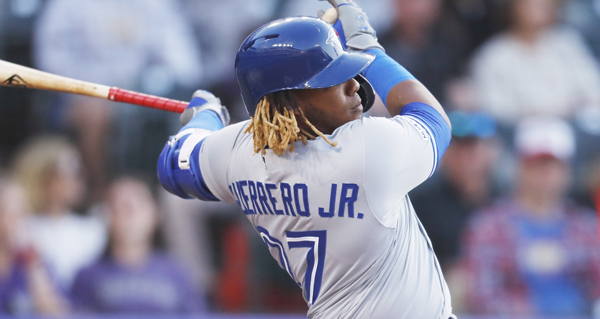
The Toronto Blue Jays' contact-driven path to the World Series has sparked debate across MLB about whether their high batting average style can be replicated by other franchises. The Blue Jays led the American League in both batting average and contact rate at 80.6 percent during their 20-win improvement from 74 victories to the championship series.
Toronto's success has prompted teams like the Detroit Tigers to publicly prioritize contact heading into 2026. Tigers president of baseball operations Scott Harris said his organization needs to "make more contact" and "move the baseball more in the big leagues."
However, multiple executives told The Athletic they question how replicable Toronto's formula truly is. Blue Jays president Mark Shapiro cautioned against reactive team building based on a single season's narrative.
"By the time they react to it, it's probably too late," Shapiro said.
High-contact productive hitters have become increasingly rare as power dominated the sport. In 2015, 82 hitters posted contact rates over 80 percent, but that number dropped to 53 by 2025.
Only 24 players last season posted both a contact rate above 80 percent and a wRC+ above 110. The Blue Jays and Milwaukee Brewers ranked among just seven teams with multiple players meeting those thresholds, while 11 teams had none.
"It's finding the players to do it," Phillies president of baseball operations Dave Dombrowski said. "That's sort of the secret. They're not always easy to find."
The Brewers joined Toronto as MLB's other contact-rate leader during the regular season. Both teams featured players like Ernie Clement, Sal Frelick and Caleb Durbin who ranked among baseball's most difficult hitters to strike out.
Yankees owner Hal Steinbrenner acknowledged his team seeks more balance after striking out the third-most in baseball while leading MLB in home runs. Toronto led all postseason teams in batting average but also in on-base percentage and home runs.
"You can't simply be a slugging home run team," Steinbrenner said.
Blue Jays general manager Ross Atkins emphasized contact wasn't a planned identity but one piece of Toronto's offensive puzzle. The team ranked top-five in contact rate in 2023 and 2024 but failed to make the playoffs until balancing contact with improved power in 2025.